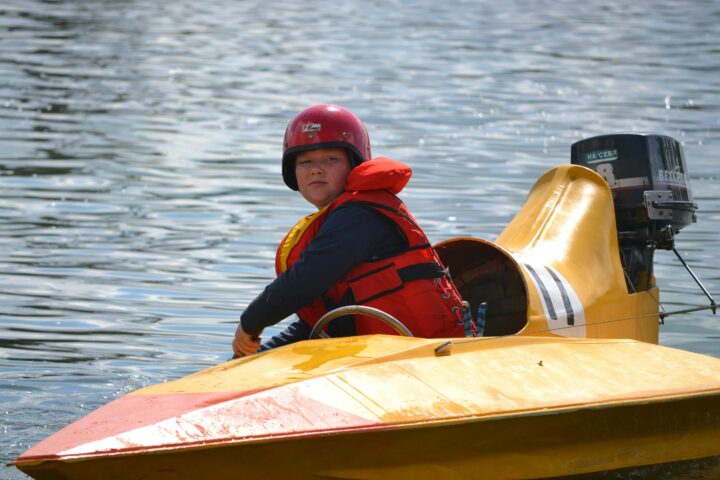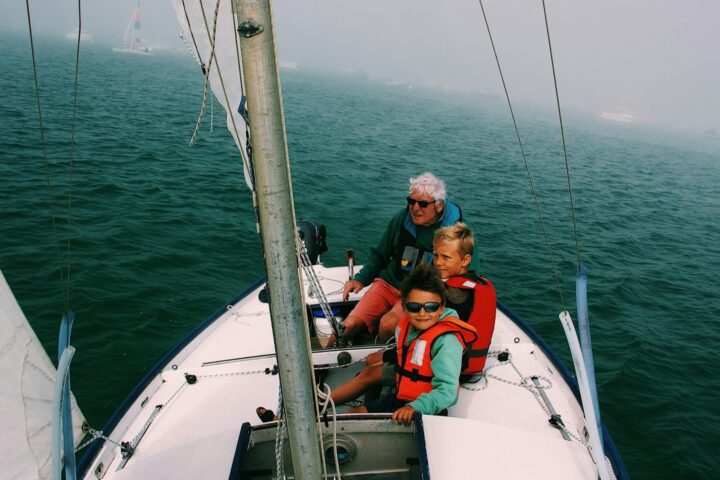
Boating experiences can be invigorating, educational, and fun for children. However, children tend to be more susceptible to waterborne illnesses, which can quickly turn a weekend trip into a stressful event. By adhering to proper water filtration standards, you’ll reduce this risk with healthy, clean water.
Maintaining Water Quality on Your Boat
Various factors come into play when it comes to ensuring the water on board your boat is safe for anyone to use. That includes investing in rigorous tank sanitization and filtration methods that are necessary to protect children from whatever is in the water.
Fresh water is a vital resource on board any boat. There are several ways you could get your water:
- External sources: Rainwater harvesting onboard may be a great idea, but limited collection space often makes it difficult to gather a sufficient supply. Additionally, collected rainwater must be properly disinfected before it is safe to drink, and it lacks the natural minerals and salts your body needs—making it unreliable as a long-term primary water source.
- Bottled water: This is an option, because it is so easy to get. However, it’s expensive as a long-term option. Most boaters should have some bottled water on board that they use within the best-before date. The downside most boaters recognize is the environmental impact of bottled water, choosing to avoid plastic.
- Drinking water tanks: A more reliable, long-term option is the use of water tanks. That water is safe to use, most of the time, as it comes from the tap. However, the longer it sits raises the likelihood of some gastrointestinal problems, many of which can cause children to be sick. These sources must be kept clean, making water filtration systems essential for maintaining safe, drinkable water over time.
To do that, we need to consider ways to keep water on board as healthy and safe as possible for as long as possible.
Water Filtration on Boats
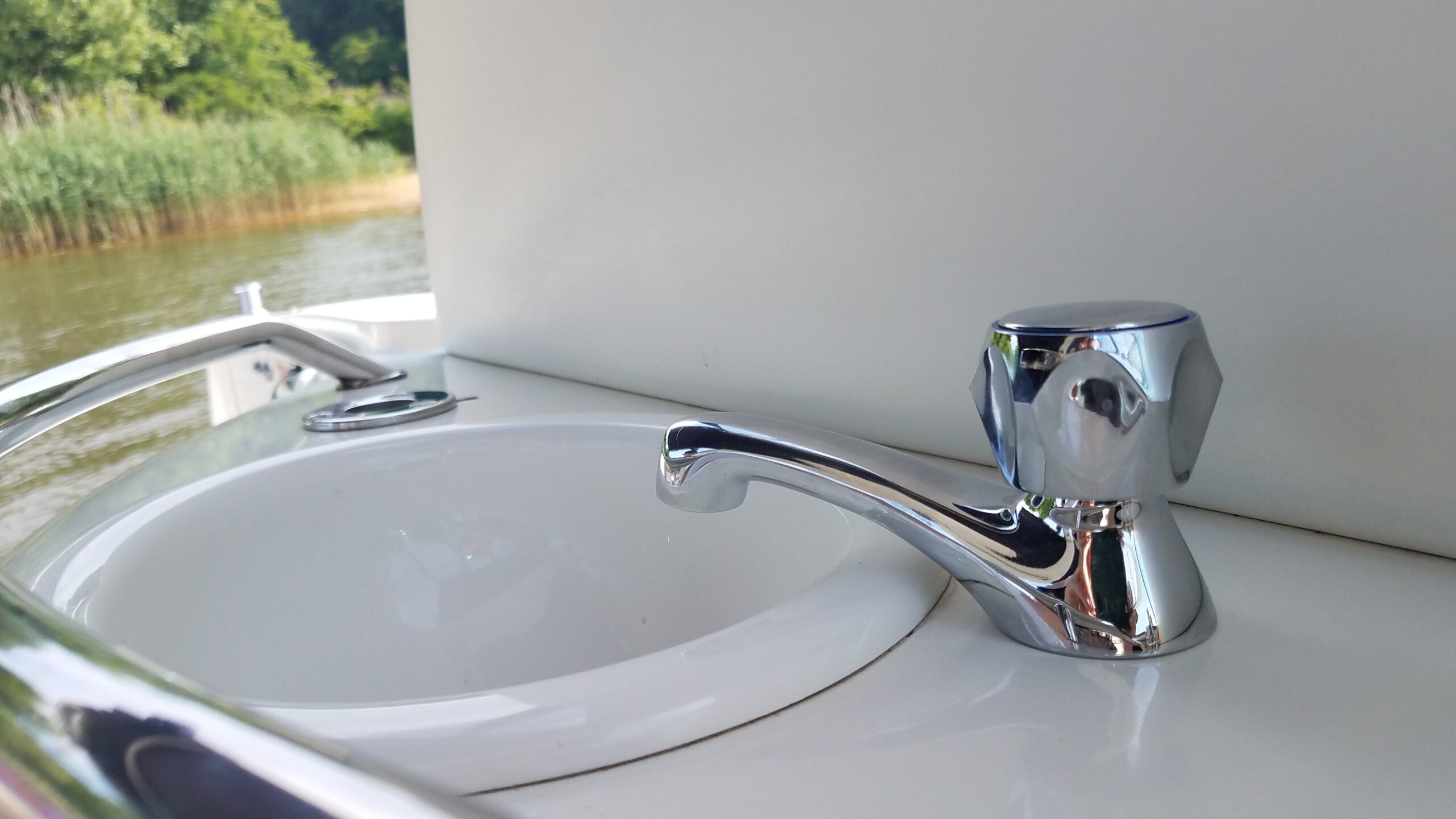
Water filtration systems are a valuable and simple solution once installed. An under-sink water filter will improve water quality at the tap by reducing common contaminants such as sediment, chlorine, and odors. . Numerous types of marine water filtration systems exist, including inline, sediment, and carbon filters, and reverse osmosis solutions. Under-sink and compact versions are excellent because of their high-performance drinking water purification and their simple operation. It’s important to note that not all filtration systems disinfect water. If your water source may contain harmful microorganisms, additional treatment—such as UV disinfection or chemical treatment—may be required to make it safe to drink.
To keep water filtration systems operating properly, keep the following in mind:
- Ensure they purify the types of risks present in the water you’re sourcing. Sediment, carbon, and pathogens are common needs. These filters should be suitable for onboard use, where moisture, vibration, and space constraints are factors.
- Maintenance is a must. Follow the manufacturer’s recommendations for proper maintenance and upkeep of the system. This includes replacing cartridges.
- Capacity matters. Filtration systems tend to have specific flow rates. Ensure the proper flow rate for your vessel.
Water filtration systems play a key role in improving water quality, especially point-of-use systems installed at the tap.
Utilize Proper Materials
As you work to maintain your boat, chances are very good you’ll need to replace and upgrade systems over time. In doing so, always use components designed for marine environments. For example, lead-free marine hoses are necessary. Choose those that are meant for drinking water sources, when applicable. Any system components you use should be marine-specific because of the unique challenges on boats that may not be present in your typical home.
Build a Maintenance Routine
Perhaps the most important final step to ensuring your boat’s water supply is safe for children is to establish a routine maintenance schedule and stick with it. That includes understanding the source and safety of the dockside water supply and filtered water to ensure it maintains the highest level of safety possible. Most filtration systems incorporate a very specific protocol for frequency and maintenance processes that can reduce at least some of the concerns.
By taking these steps, even your youngest crew members are safe and able to drink the water on board. Making these changes is typically a one-time adjustment, with later upkeep. With the right filtration, materials, and maintenance routine in place, you can keep your boat’s drinking water safe and focus on enjoying time on the water with your family.
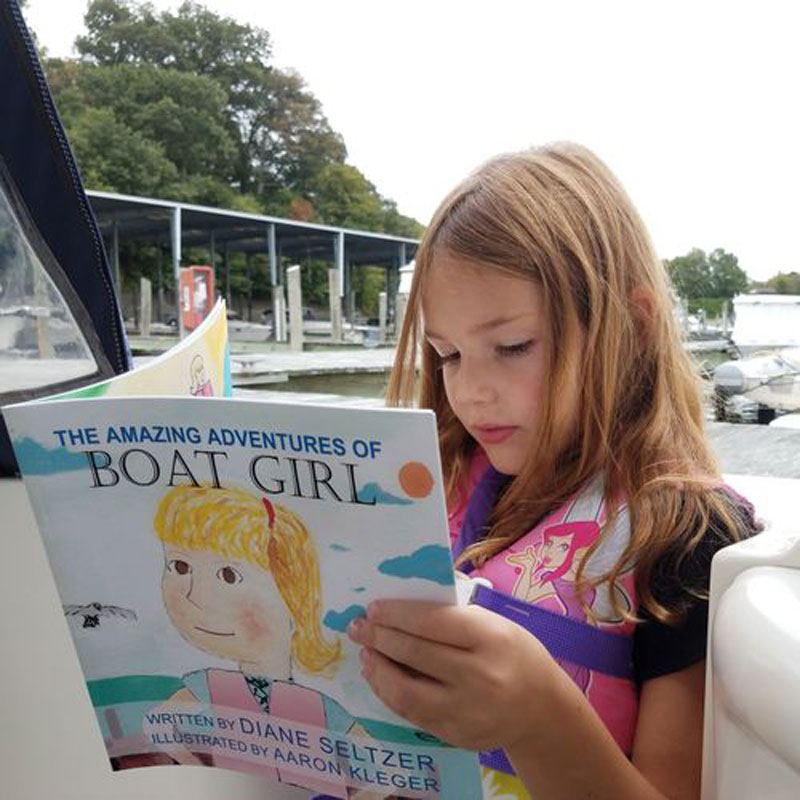
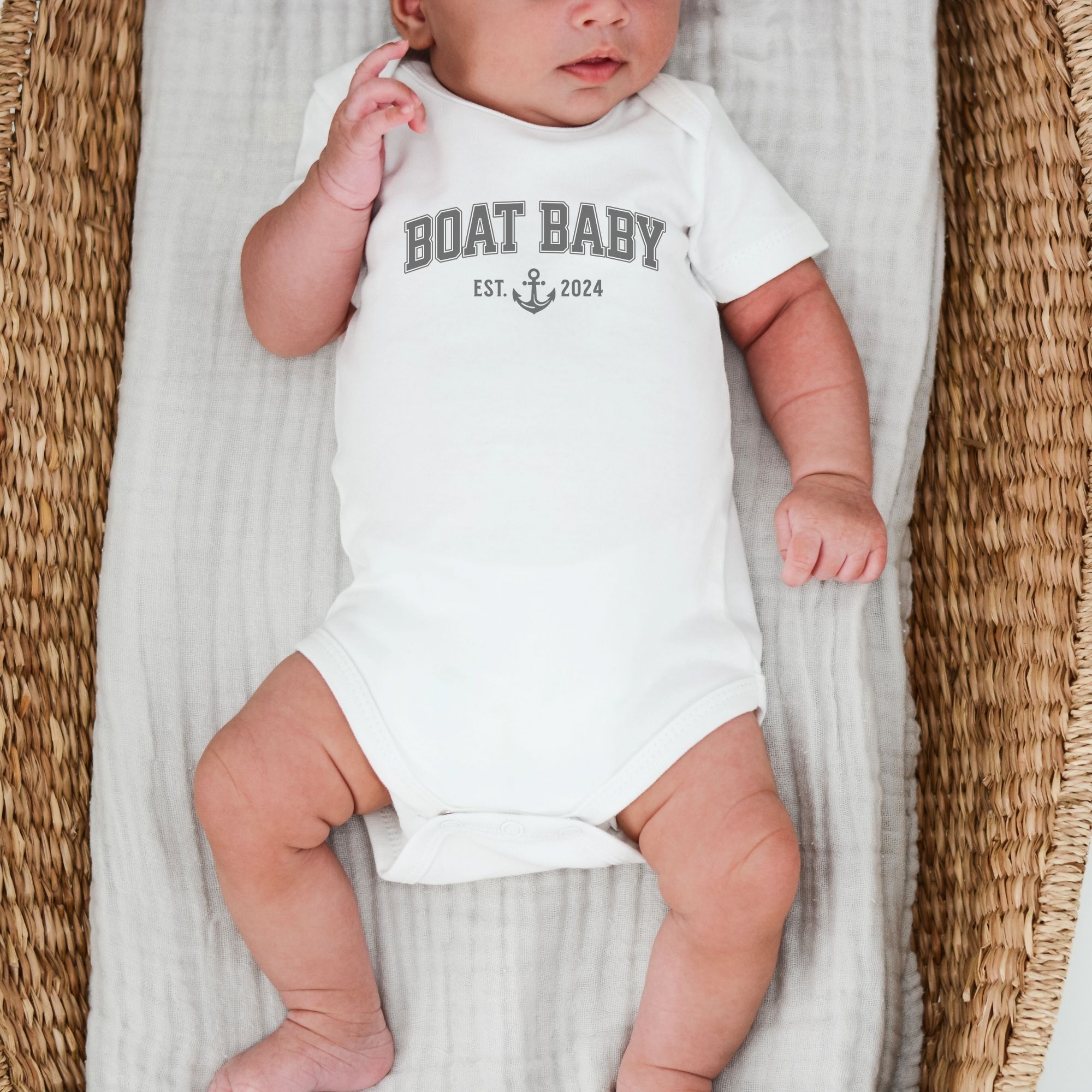
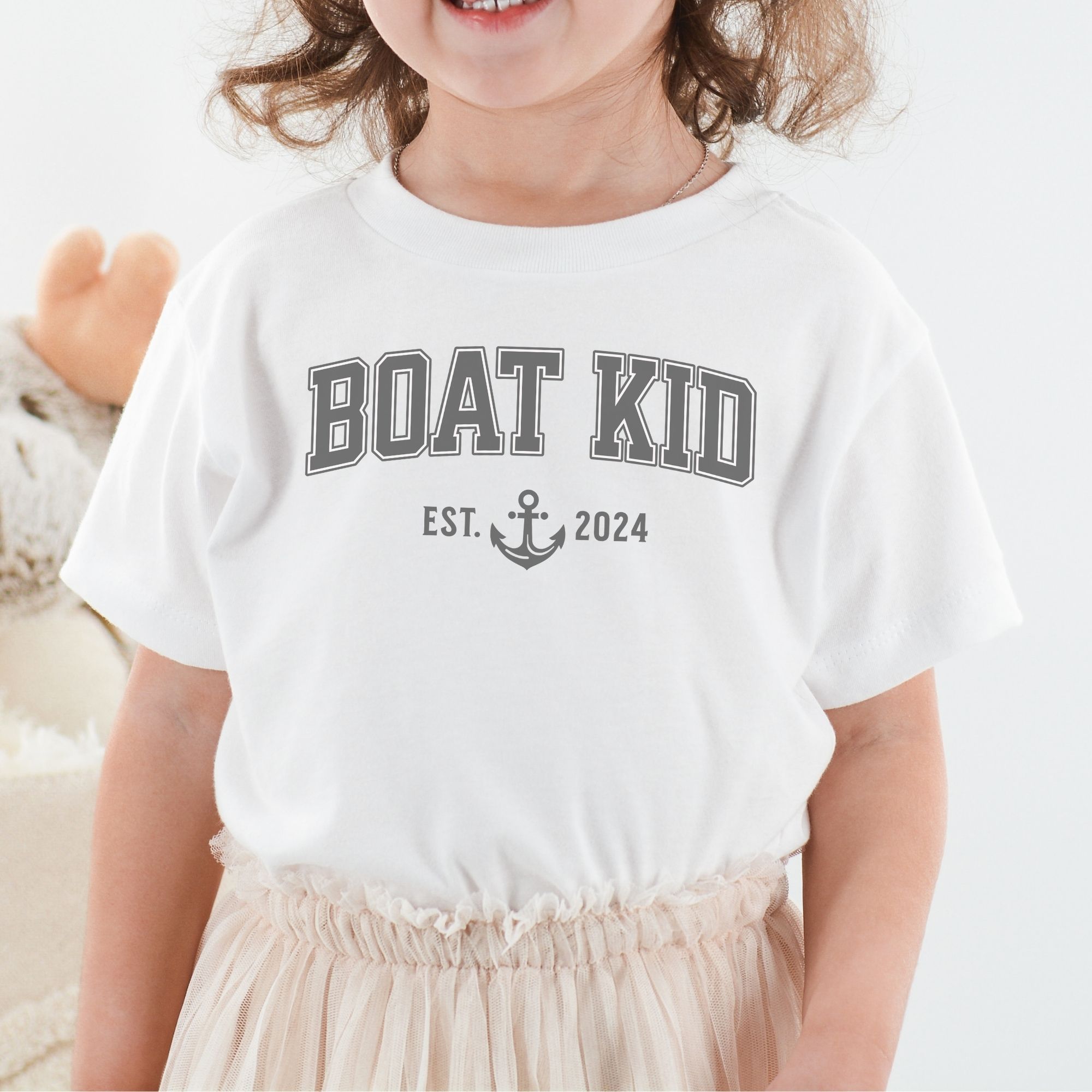
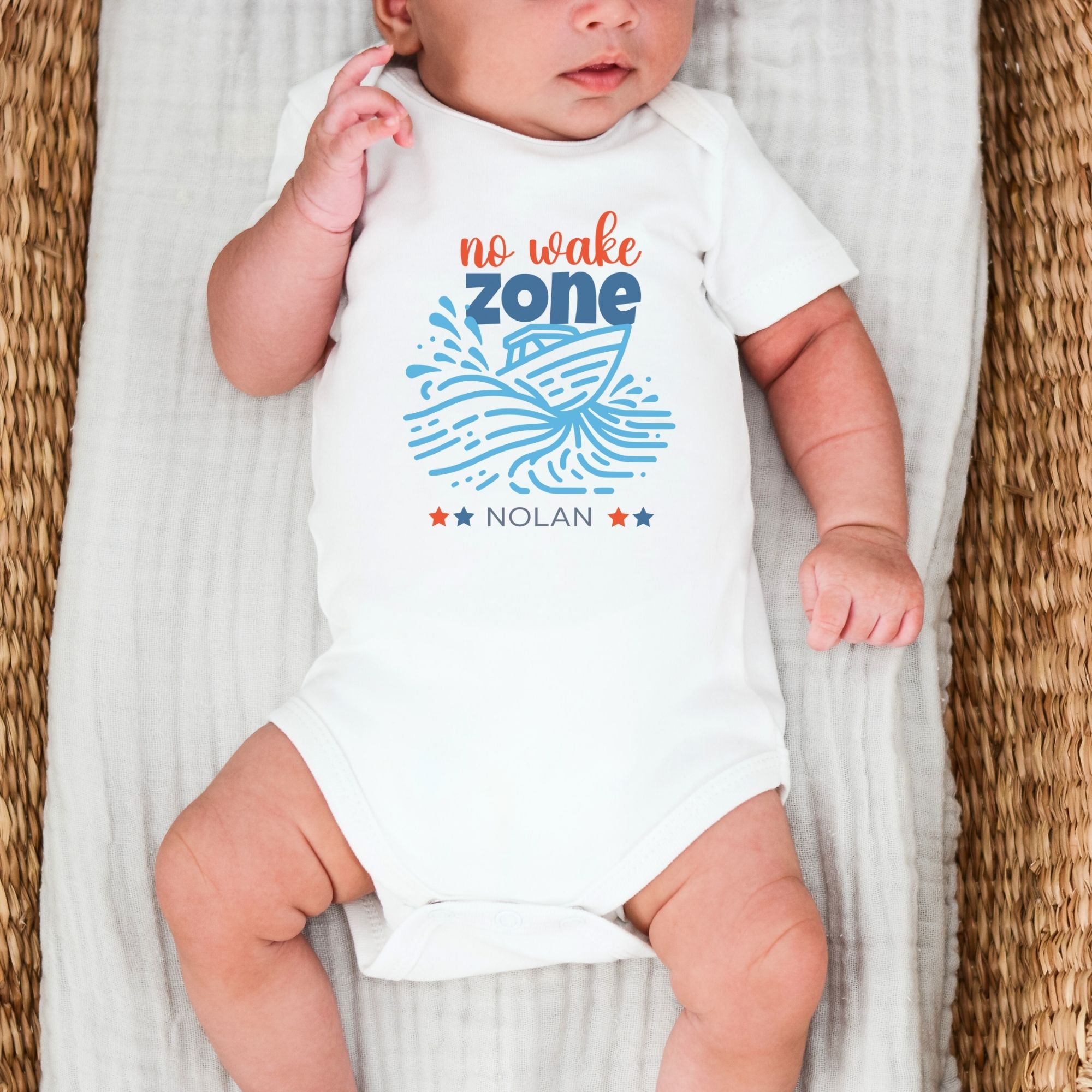
Trending Now: Custom Gifts for Boat Kids
Disclosure Policy: This site may contain links that are affiliated with companies where we receive compensation. Full disclosure policy.