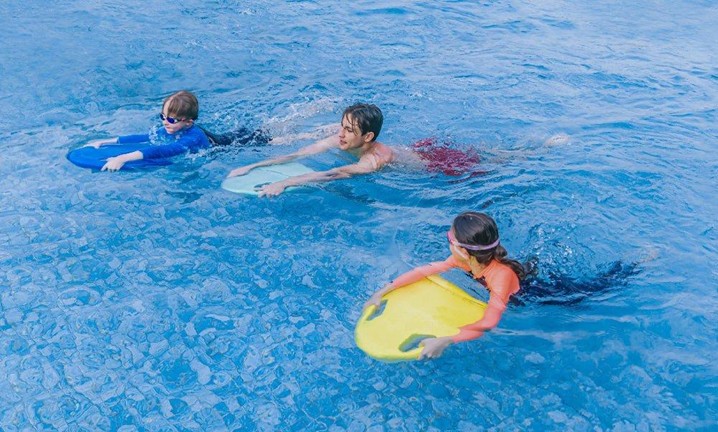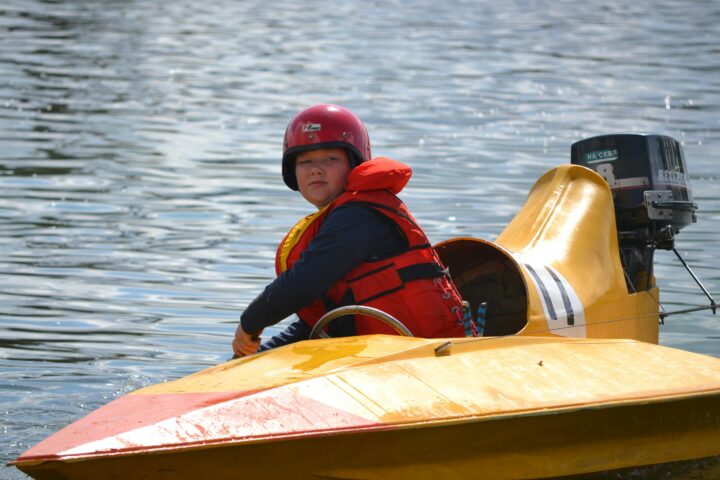
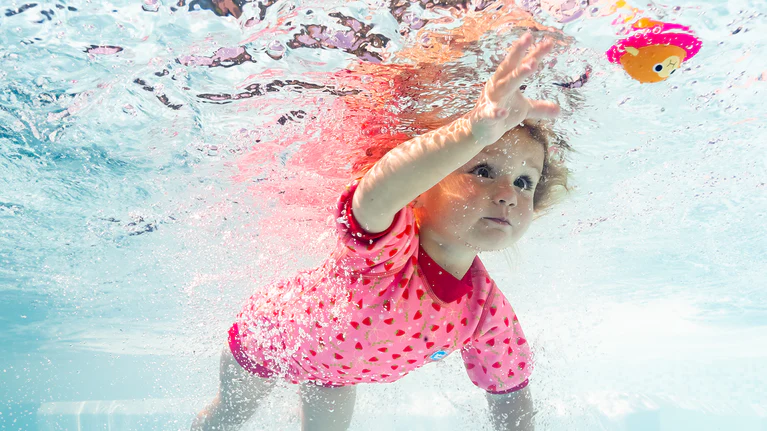
When your entire family is coming along for a boating adventure, you want everyone to have a great time. The last thing you want is to spend the entire outing stressing about your kids’ safety. If you want to increase their abilities on the water and reduce your concerns, you should make swimming skills a priority. Working with your kids to build their swimming confidence will result in a better experience for everyone with less worry.
Reasons to Develop Swimming Confidence Before Boating
Although boating is a wonderful activity that everyone can enjoy, it’s not without risk. A boat breakdown or mechanical failure can increase the risks involved. A rescue in that circumstance is more complicated than, for example, dealing with a flat tire on the freeway.
You may think that you’ve got everything together, but there are unique risks to bringing children on a boat:
- It might be challenging to pay attention to kids every second, especially if there are more kids than adults.
- You may overestimate your kids’ knowledge of boat safety.
The sooner you can help your kids develop critical swimming skills and the confidence to employ them in unfamiliar water, the better.
Checklist for Swim Safety Before Boating
Develop Swimming Skills
You should start by getting your children into swimming lessons. The American Academy of Pediatrics recommends that you consider swimming lessons for your kids as soon as they turn 1, although it depends on your child. If you live near a swimming pool or in a neighborhood where backyard pools are popular, drowning is a risk for toddlers, as they are more mobile than babies and may gain access to the water. If you haven’t started lessons by the time your children reach age 4, they should begin as soon as possible. Remember that you may need several years of lessons before your kids feel comfortable swimming in natural bodies of water.
Participate in Water Safety Education
Although swimming lessons impart a lot of water safety knowledge, they may not cover everything. When your children are old enough to understand more and can practice safe activities, teach them how to be safe around bodies of water. They may get this opportunity as part of a class, in Scouts, or at summer camp. Be sure to get information from the experts, and don’t forget to cover emergency situations, such as falling into the water while fully clothed.
Practice With Supervision
Once your kids have the basic skills, practice is the most important thing you can encourage. Remember that children often need to reinforce and refine their knowledge, which they may not be able to do during a short swimming course. Just as you would arrange for regular pool services to maintain your pool, your kids should hit the pool for regular practice to maintain their skills. Correct improper movements, and remember to tell your kids what to do, not just what they shouldn’t do. Don’t hesitate to get into the water with your kids and show them how to do it.
Aim for Swimming Confidence
While the goal is to teach your kids swimming and water safety skills that can help them respond in a crisis, you should aim to develop their confidence in the process. Kids can get overwhelmed by jumping into a pool fully clothed or practicing a difficult movement again and again. Make practice time fun, and be sure to praise your kids for their progress. That way, by the time they have the skills to go on their first boat outing, they’re also excited and ready to have a good time.
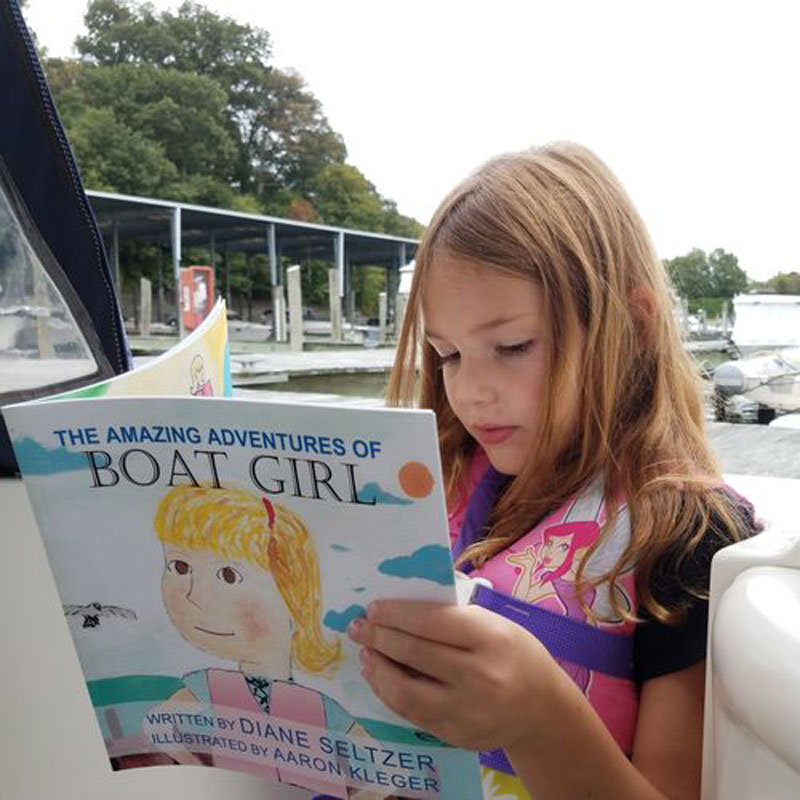
Boating is an exciting activity that also requires a lot of preparation to be able to enjoy safely, especially when you have kids in tow. The good news is that you can prepare your kids for the boating lifestyle even before you go. By improving their swimming confidence and having them wear properly fitted, U.S. Coast Guard-approved life jackets while boating, you can better ensure their safety and give yourself more peace of mind.
Trending Now: Custom Gifts for Boat Kids
Disclosure Policy: This site may contain links that are affiliated with companies where we receive compensation. Full disclosure policy.