Boating can be a memorable and rewarding experience for families, offering opportunities for adventure, learning, and time spent outdoors. However, when children are on board, safety must be the top priority. Water, moving vessels, and changing weather conditions introduce risks that require thoughtful preparation and constant awareness.
This article explains how you can ensure children’s safety on a boat through proper planning, equipment, supervision, and education, allowing everyone to enjoy the experience with confidence.
Start With Proper Safety Gear
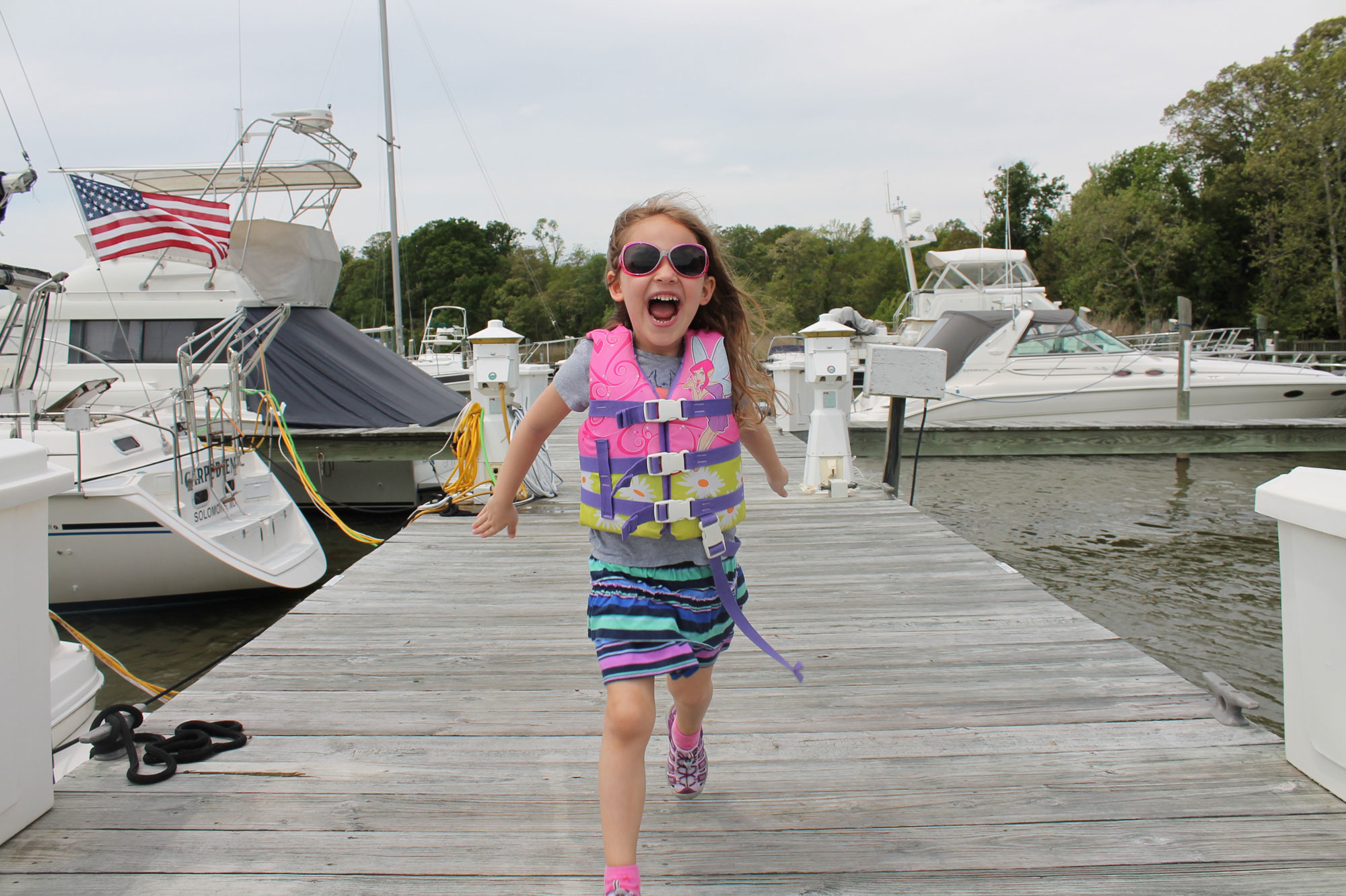
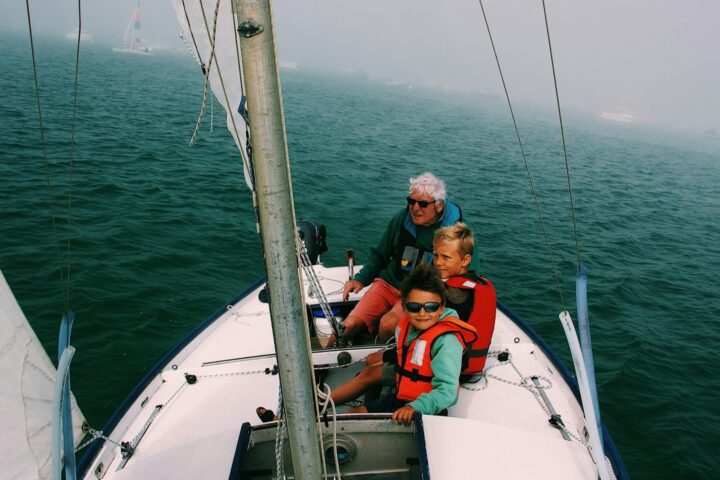
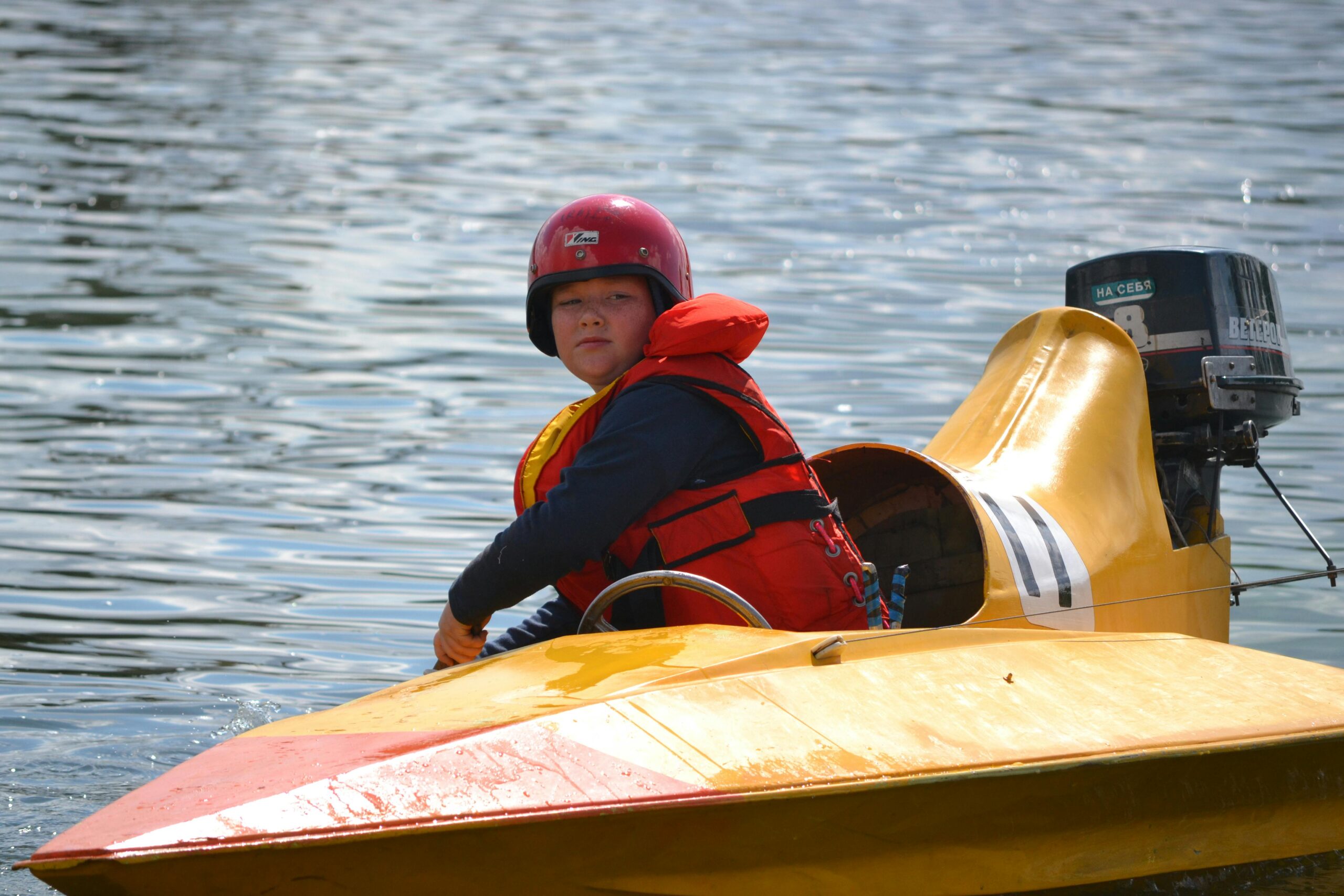
The most critical safety measure for children on a boat is the consistent use of life jackets. Every child should wear a U.S. Coast Guard–approved life jacket that is correctly sized for their weight and chest measurement. Life jackets should be worn at all times on deck, not just during rough conditions or while the boat is moving. Children can fall overboard unexpectedly, even when the water appears calm.
Life jackets designed specifically for children often include additional features such as head support, grab handles, and bright colors for visibility. It is important to check that straps are secure and that the jacket fits snugly without riding up around the neck. Inflatable life jackets are not recommended for young children, as they require manual or automatic activation that may not function reliably in every situation.
In addition to life jackets, ensure that basic safety equipment is easily accessible. This includes throwable flotation devices, first-aid kits, emergency whistles, and fire extinguishers. Keeping safety gear visible and within reach helps you respond quickly if an incident occurs.
Establish Clear Safety Rules Before Departure
Before leaving the dock, it is essential to explain boating rules to children in age-appropriate language. Clear expectations help prevent risky behavior and reduce confusion once the boat is underway. Rules should cover where children are allowed to sit or stand, when they can move around, and which areas of the boat are off-limits.
Children should be instructed to remain seated while the boat is moving, avoid leaning over the sides, and always use handholds when walking on deck. Running, pushing, or rough play should be strictly prohibited, as slippery surfaces and sudden movements can lead to falls. These rules are most effective when paired with strong foundational water skills, which many families choose to develop through private swimming lessons that focus on confidence, safety awareness, and controlled responses around water.
Reinforcing these rules regularly helps children understand that boating safety is not optional but part of responsible behavior on the water. When children know what is expected and feel confident in their abilities, they are more likely to follow guidelines and alert adults if something feels unsafe.
Maintain Constant Supervision
Active supervision is one of the most effective ways to keep children safe on a boat. Unlike passive supervision, which assumes children will stay where they are told, active supervision means maintaining visual contact at all times and anticipating potential hazards.
Assigning a dedicated adult to watch children can be especially helpful on larger boats or during group outings. This adult should not be distracted by navigation, fishing, or social activities. Even strong swimmers can struggle if they fall into moving water or encounter waves, currents, or cold temperatures.
Supervision is particularly important when the boat is anchored, docked, or near swimming areas. Many accidents occur during transitions, such as boarding or exiting the boat, when attention may be divided.
Teach Children Basic Water and Boat Safety Skills
Education plays a powerful role in reducing boating risks. Teaching children basic water safety skills helps them understand their environment and respond more calmly in emergencies. Depending on age and ability, this may include swimming lessons, floating techniques, and understanding how to move safely in the water.
Children should also learn basic boating awareness, such as recognizing the sound of horns or alarms, understanding why propellers are dangerous, and knowing what to do if someone falls overboard. Teaching children to stay away from the stern and ladder while the engine is running is particularly important.
Practicing simple safety drills, such as what to do if the boat rocks suddenly or how to call for help, can build confidence without causing fear. When children feel prepared, they are less likely to panic in unfamiliar situations.
Create a Child-Friendly Boat Environment
Adapting the boat itself can significantly reduce hazards. Non-slip mats or traction tape on decks and steps help prevent slips, especially when surfaces are wet. Installing railings or safety netting along open sides can provide additional protection for younger children.
Designating specific seating areas for children keeps them away from high-risk zones such as the bow, stern, or helm. If possible, choose seats with back support and armrests. Keeping gear, ropes, and fishing equipment stowed properly reduces tripping hazards.
Sun protection is another key consideration. Children are particularly vulnerable to sunburn and heat-related illnesses. Providing shade, encouraging hydration, and using sunscreen and protective clothing all contribute to overall safety and comfort on board.
Monitor Weather and Water Conditions Carefully
Weather and water conditions can change quickly, and children may be less able to cope with sudden shifts. Before heading out, check forecasts for wind, storms, and temperature changes. Avoid boating in conditions that could become uncomfortable or unsafe for children, such as high winds or rough seas.
Once on the water, continue monitoring conditions and be prepared to return to shore if the weather deteriorates. Choppy waves, strong currents, or reduced visibility increase the risk of falls and accidents, particularly for smaller passengers.
Teaching children to recognize signs of changing weather, such as darkening clouds or rising winds, can also make them more aware and responsive to safety decisions.
Limit Alcohol and Distractions Among Adults
Adult behavior directly impacts child safety on a boat. Operating or supervising children while under the influence of alcohol significantly increases the risk of accidents. Even small amounts of alcohol can impair judgment, reaction time, and coordination.
Reducing distractions such as mobile phones, loud music, or multitasking ensures adults can respond quickly to changing situations. Children rely on adults to model safe behavior, and responsible conduct sets the tone for the entire outing.
Prepare for Emergencies
Even with precautions, emergencies can happen. Preparing for them in advance can make a critical difference. Make sure children know how to alert an adult if something goes wrong and understand basic emergency signals.
Keep emergency contact information readily available and ensure communication devices, such as radios or phones, are charged and functional. Reviewing emergency procedures, including how to respond to a man-overboard situation or engine failure, helps ensure calm and coordinated action if needed.
Conclusion
Ensuring children’s safety on board a boat requires a combination of preparation, supervision, education, and responsible decision-making. By equipping children with proper safety gear, setting clear rules, maintaining constant supervision, and creating a secure environment, you significantly reduce the risks associated with boating. When safety becomes part of the experience rather than an afterthought, boating can remain an enjoyable, enriching activity for the entire family.
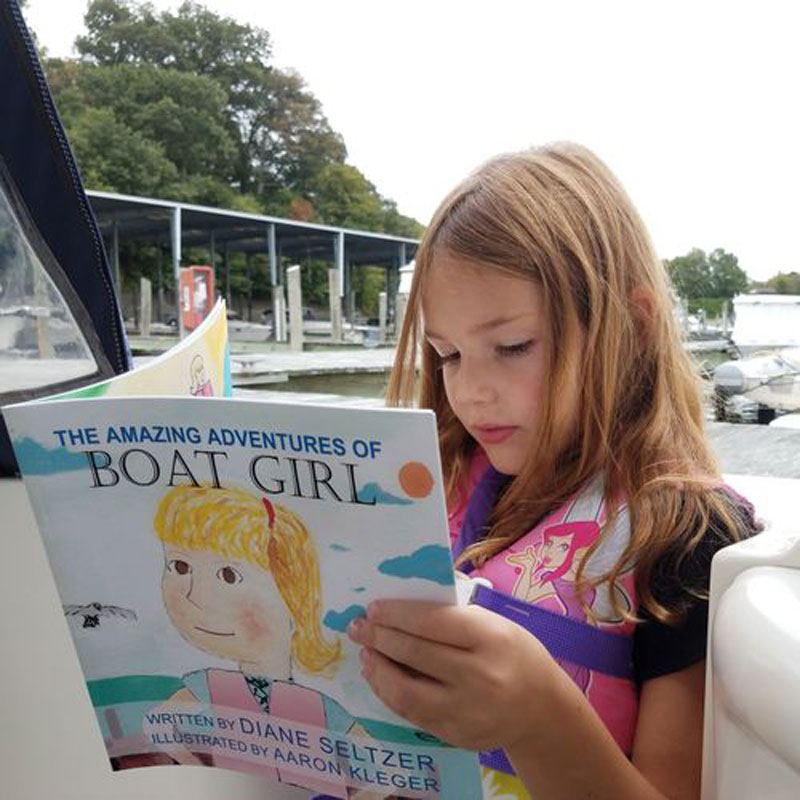
Trending Now: Custom Gifts for Boat Kids
Disclosure Policy: This site may contain links that are affiliated with companies where we receive compensation. Full disclosure policy.