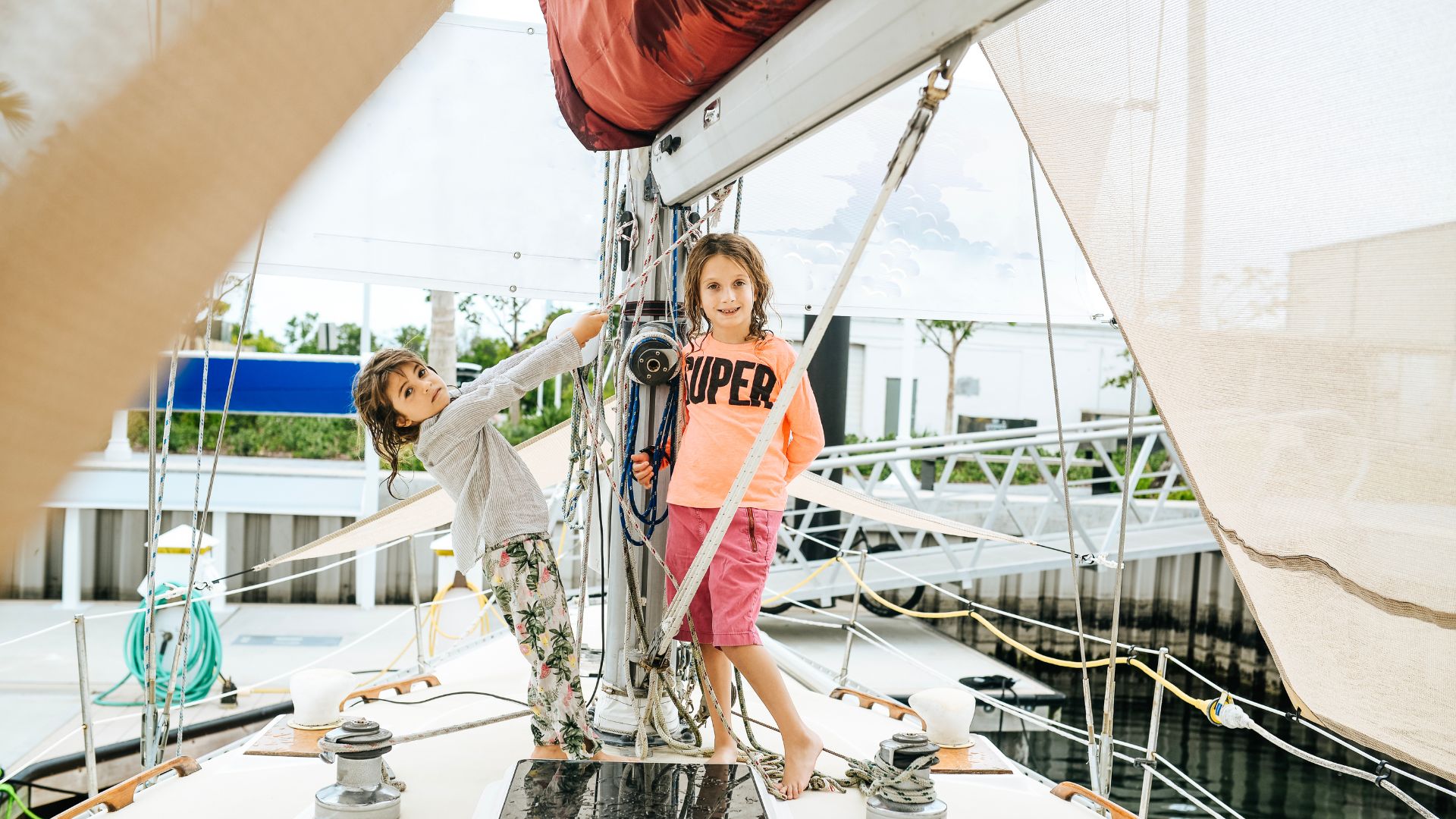
Fishing can be one of the easiest ways to turn a family boating trip into an adventure kids will remember. Instead of simply riding around on the water, children get a chance to watch wildlife, learn about the environment, and experience the excitement of catching a fish for themselves.
But a successful first fishing trip with kids does not need to involve complicated tackle, long hours on the water, or the expectation of catching a big fish. The goal is to make fishing simple, comfortable, and enjoyable while keeping safety at the center of the experience.
Choose the Right Fishing Spot
When introducing kids to fishing from a boat, choosing the right location can make a bigger difference than having expensive equipment.
Look for calm water with relatively little boat traffic and an area where fish are reasonably abundant. A protected cove, quiet shoreline, or sheltered section of a lake can be a better choice for a first trip than an exposed area with strong wind and waves.
It also helps to choose a location where you can reach the fishing area without spending hours getting there. Younger children may lose interest during a long boat ride before they even get a chance to cast.
If possible, check local fishing reports or ask a local tackle shop about areas where beginners are likely to get bites. Catching a few smaller fish can be much more exciting for a child than spending hours waiting for one trophy-sized fish.
Keep the Fishing Gear Simple
Kids generally do not need a complicated setup to start fishing. In fact, too much equipment can make the experience more frustrating.
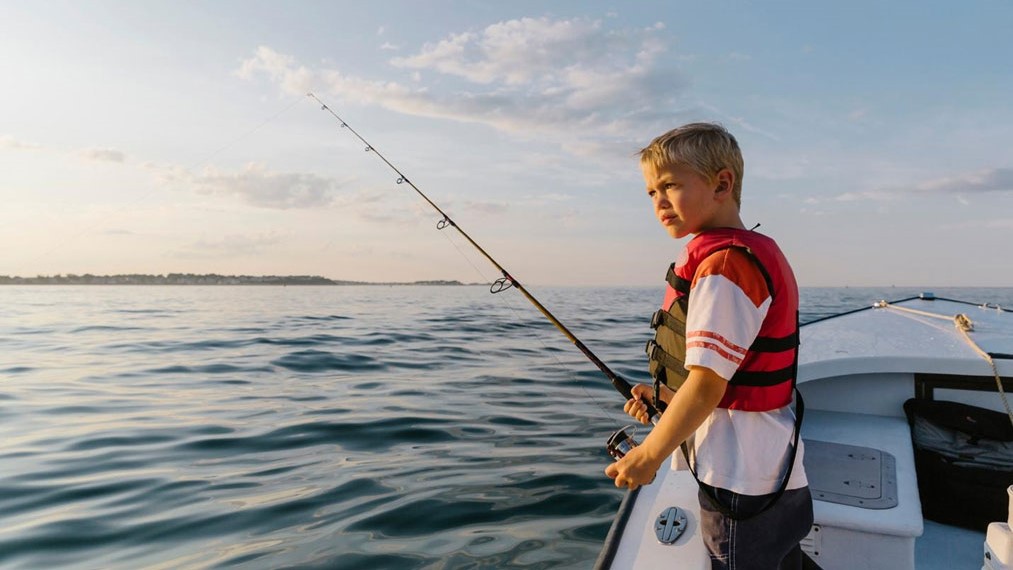
A lightweight rod that a child can comfortably hold is a good starting point. The reel should also be simple to operate and matched to the rod and the child’s size and experience. For many beginner setups, a small spinning reel is an approachable option because the casting motion is relatively straightforward to learn.
Parents should also avoid giving a child more tackle than they need. A small tackle box with a few proven lures, hooks, weights, and other basic supplies is usually enough for a family fishing trip.
As children become more comfortable, they can gradually learn about different rods, reels, lines, and fishing techniques.
Teach Casting Before You Leave the Dock
One of the easiest ways to reduce frustration is to practice casting before heading out onto the water.
Spend a few minutes on land showing your child how the rod and reel work. Demonstrate the motion first, then let them try. At this stage, accuracy is not important. The goal is simply to help them become comfortable holding the rod and controlling the line.
You can even make practice into a game. Set up a bucket or another safe target and let your child practice casting toward it.
Once you are on the boat, remind them that they do not have to make a perfect cast. A short, controlled cast near the boat may be more successful than trying to cast as far as possible.
Start With Easy-to-Handle Tackle
The best fishing technique for a child is often the one that gives them something to do.
Instead of starting with complicated presentations, choose simple techniques that allow kids to see what is happening. Depending on local regulations and the species available, this could mean using a bobber, a simple lure, or another beginner-friendly presentation.
Keep the amount of gear on the deck to a minimum. Hooks, lures, and loose fishing line can create hazards when several people are moving around a boat.
Parents should also handle tasks such as changing hooks or lures when appropriate, especially with younger children.
Make Safety Part of the Fishing Experience
Fishing should never take priority over boating safety.
Every child should wear a properly fitted life jacket while on the boat, even if they know how to swim. Choose a life jacket designed for the child’s size and weight, and make sure it is comfortable enough that they will actually keep it on.
Before leaving the dock, establish a few simple rules. Children should know where they can sit or stand, when they need to ask an adult for help, and why they should never reach over the side of the boat to grab a fish or piece of equipment.
Fishing also introduces additional hazards that are easy to overlook. Hooks should remain secured when not being used, and children should be taught to keep a safe distance from someone who is casting.
The boat’s layout matters, too. Keep tackle bags, fishing rods, coolers, and other equipment organized so that walkways remain clear.
Give Kids Something to Look Forward To
Not every child will immediately become interested in casting a fishing line. Sometimes the best way to keep them engaged is to let them participate in different parts of the trip.
Children can help choose a fishing spot, identify fish or birds, watch for activity in the water, or help organize simple tackle. They may also enjoy learning how to use a landing net or helping an adult measure a fish.
If they catch a fish, let them take part in the process at an age-appropriate level. Taking a photo or watching the fish being released can become part of the experience.
The important thing is to give children small responsibilities without putting them under pressure.
Keep the First Trip Short
A first fishing trip does not need to last all day.
Children may become tired, hungry, hot, or bored much sooner than adults expect. A shorter trip that ends while everyone is still having fun can create a much better first impression than staying on the water until a child is ready to go home.
Bring plenty of water and snacks, especially on warm days. Sunscreen, hats, sunglasses, and appropriate clothing can also make a significant difference in comfort.
Pay attention to changing weather and water conditions as well. If wind or waves increase, the fishing plan may need to change.
Focus on the Experience, Not the Catch
Perhaps the most important lesson for parents is not to measure the success of a fishing trip by the number of fish caught.
Kids may remember catching their first fish for years, but they may also remember seeing a turtle near the boat, spotting an eagle, learning how to cast, or spending a quiet morning on the water with their family.
If the fish are not biting, look for another activity. Talk about what lives in the water, explore a different part of the shoreline, or simply enjoy being together on the boat.
Over time, these experiences can help children develop an appreciation for fishing and boating without making either activity feel like a chore.
Build on the Experience
Once a child becomes comfortable on the boat and with basic fishing equipment, you can gradually introduce more advanced skills.
They might learn how different lures work, how to identify common fish species, how to tie a simple knot, or how weather and water conditions affect fishing. Eventually, they may even start choosing their own tackle and helping plan where the family should fish.
The best way to introduce kids to fishing is to let their skills develop naturally. Keep the equipment manageable, make safety a habit, and give them plenty of opportunities to explore.
With the right approach, a family boat can become more than a way to get out on the water. It can be the starting point for a hobby that children and parents can enjoy together for years to come.
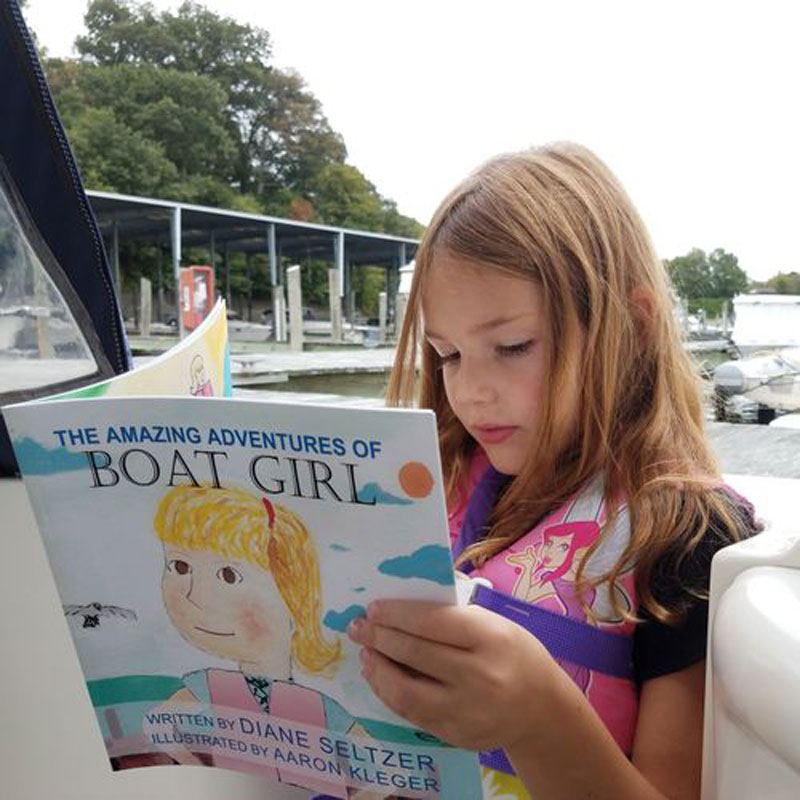
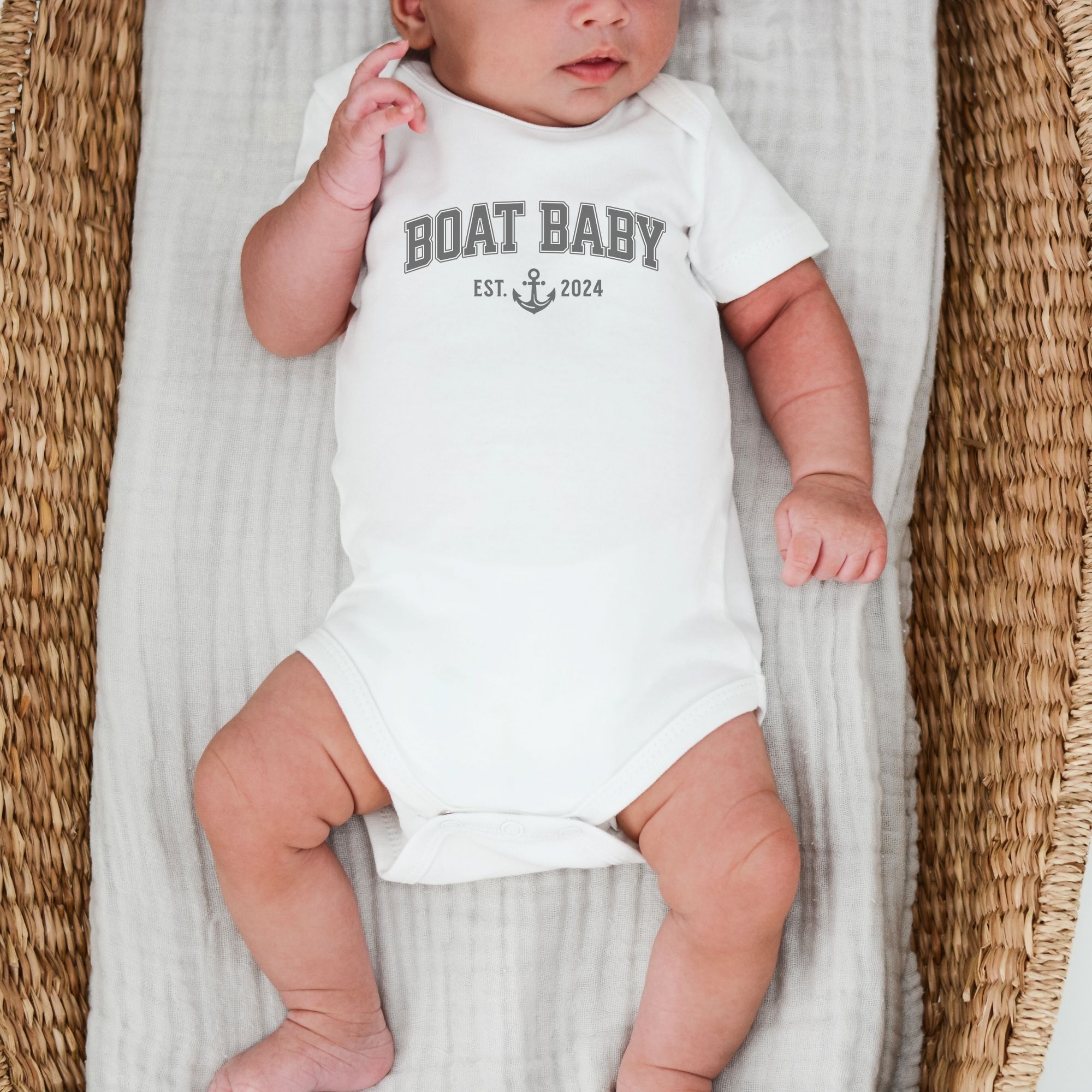
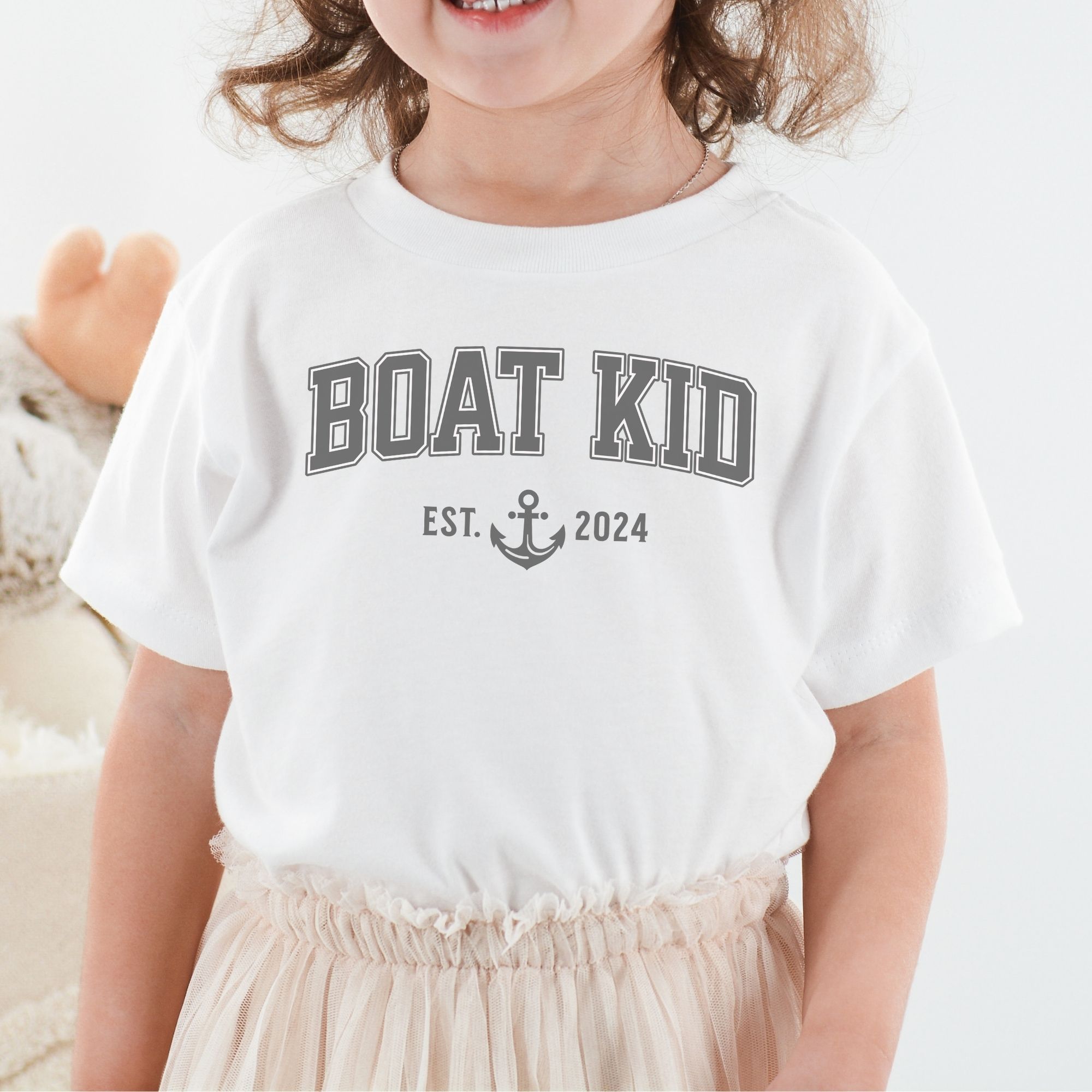
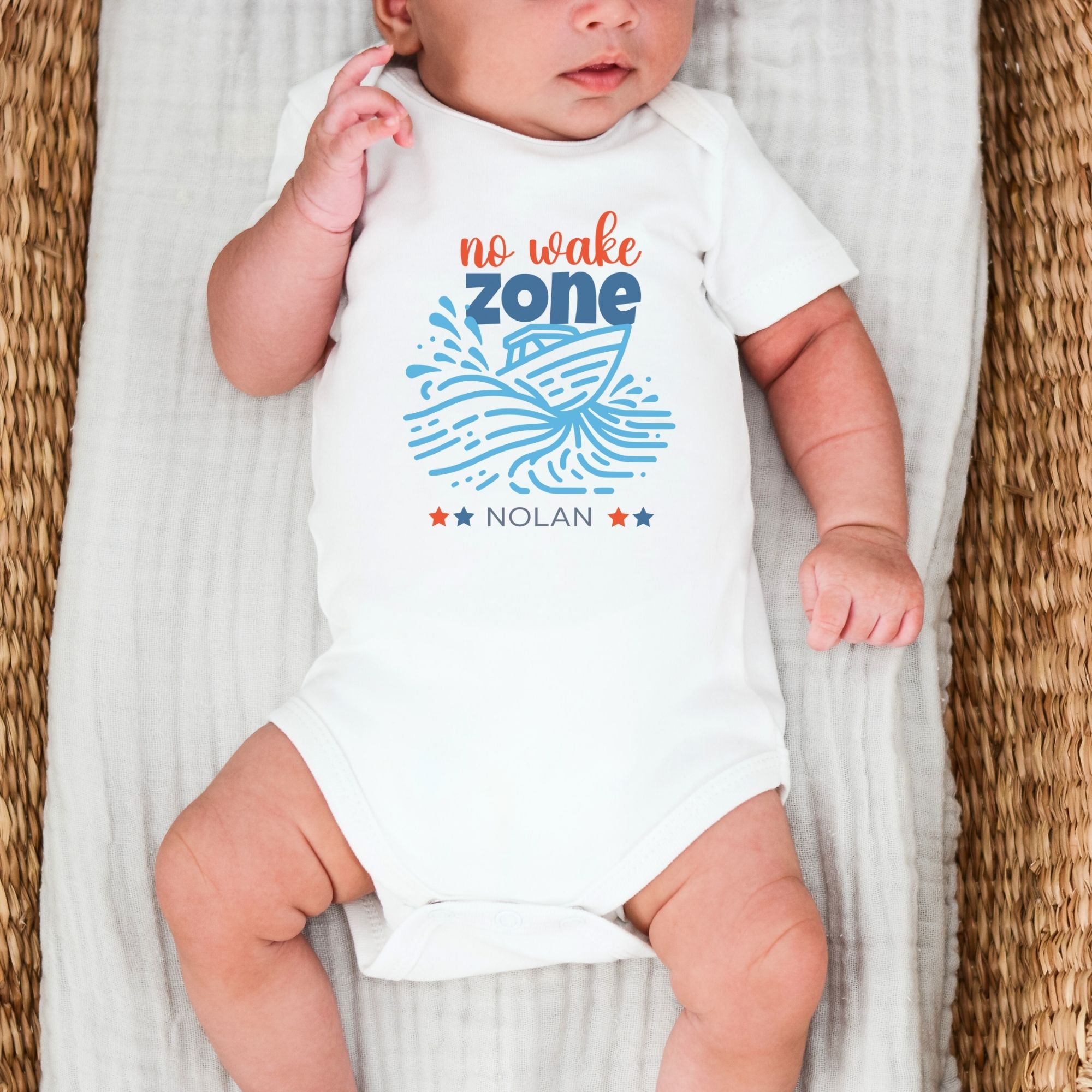
Trending Now: Custom Gifts for Boat Kids
Disclosure Policy: This site may contain links that are affiliated with companies where we receive compensation. Full disclosure policy.